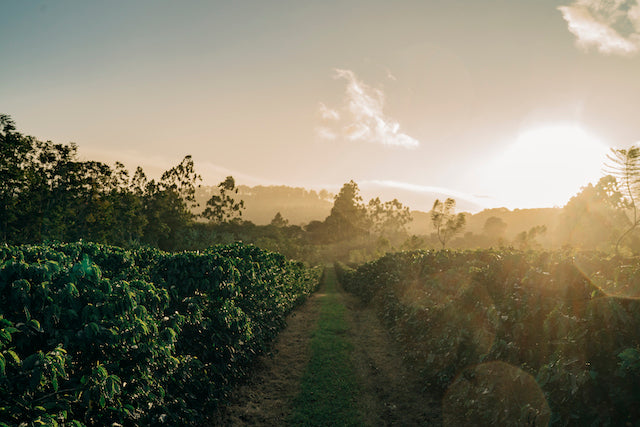
If you've ever walked through a coffee farm in Costa Rica's Central Valley, you may have heard it before you saw it — a small, curious bird moving quietly among the coffee plants. Searching for seeds and insects between the rows of coffee cherries. That's the Pinzón Cafetalero. And it's one of the most remarkable creatures in Costa Rica's coffee-growing landscape.
What Is the Pinzón Cafetalero?
The Pinzón Cafetalero (Melozone cabanisi) is one of only four endemic continental bird species of Costa Rica — meaning it exists naturally nowhere else on Earth in its current form.
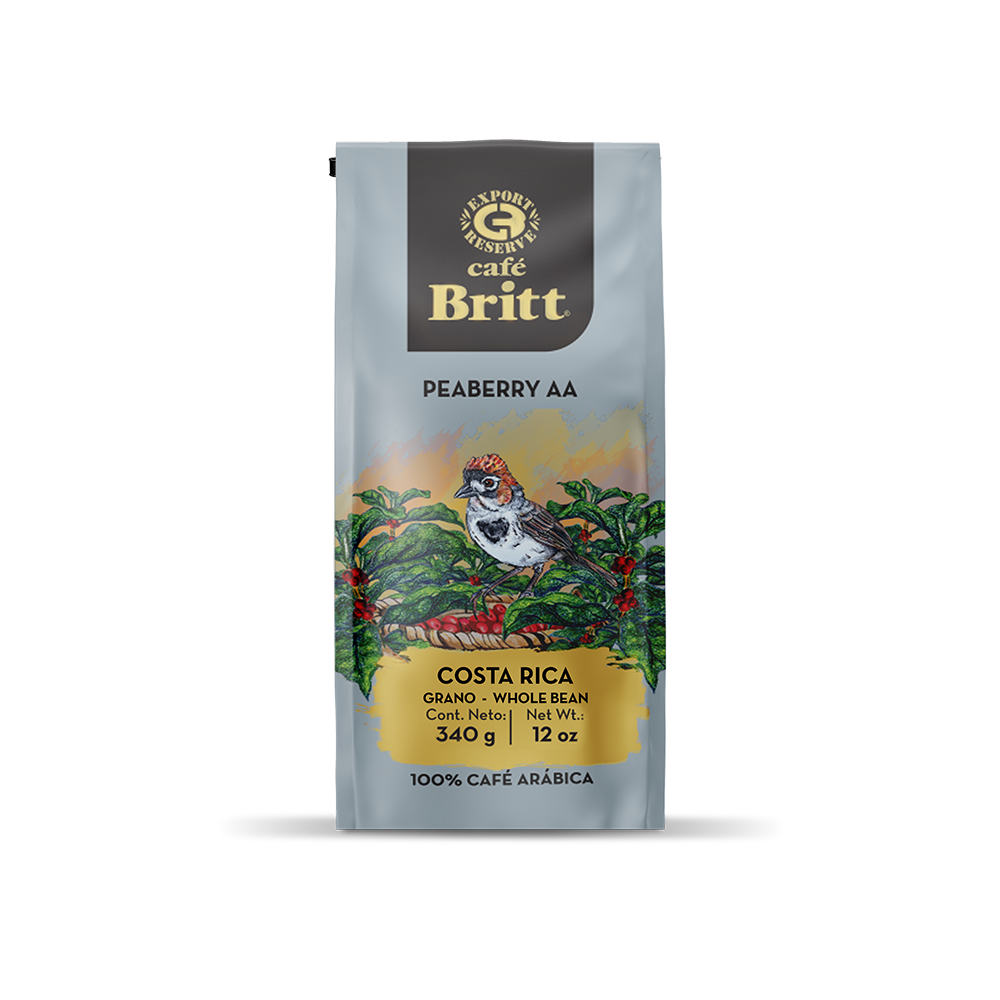
While related species can be found across Central America, when this bird settled in Costa Rica, something remarkable happened: it developed a natural mutation in the plumage of its chest — a small dark marking that sets it apart from every similar species in the world. No other bird carries this distinctive feature. It is uniquely, entirely Costa Rican.
Costa Rica has the privilege of hosting around 5% of the world's total biodiversity — an extraordinary figure for such a small country. The Pinzón Cafetalero is one of its most iconic and beloved expressions.

Where Does It Live?
The Pinzón Cafetalero is a bird of edges and open spaces. It thrives in the agricultural and semi-rural landscapes of Costa Rica's Central Valley, where coffee farms, hedgerows, and native vegetation meet.
You can find it in:
-
Coffee plantations and their surrounding vegetation
-
Live fences and hedgerows between farms
-
Forest edges and shrublands
-
Orchards, gardens, and rural areas of the Central Valley coffee regions
It is particularly at home in coffee farms — moving between the plants, foraging naturally, and becoming part of the living ecosystem that defines Costa Rican coffee country.
Its Role in the Coffee Ecosystem
Costa Rica's coffee-growing regions are not just agricultural landscapes — they are living ecosystems. The presence of native bird species like the Pinzón Cafetalero is a sign of healthy, biodiverse soil and a balanced environment.
Birds play essential roles in these ecosystems:
-
Naturally controlling insect and pest populations
-
Dispersing seeds across the landscape
-
Supporting the overall health and balance of the plants
When birds thrive in a coffee farm, it's a signal that the land is being cared for with intention. The Pinzón Cafetalero's presence is not just beautiful — it's meaningful.

What Makes It Endemic — And Why That Matters
Endemic species are those naturally limited to a specific geographic area — found nowhere else in the world outside of their native region. Costa Rica has very few endemic continental bird species, which makes the Pinzón Cafetalero exceptionally rare and significant.
Its endemism is a product of isolation and adaptation. Over generations, the birds that settled in Costa Rica evolved in response to their specific environment — its altitude, its vegetation, its climate. The result is a species that is, in the most literal sense, shaped by this land.
Protecting endemic species means protecting the ecosystems that created them. And in Costa Rica, those ecosystems are intimately connected to the coffee farms where the Pinzón Cafetalero makes its home.
Why Café Britt Celebrates the Pinzón Cafetalero
At Café Britt, we believe the quality of what's in your cup is inseparable from the quality of the environment where it grows. Costa Rica's coffee is exceptional not just because of its altitude or its soil — but because of the entire living system that surrounds and supports it.
The Pinzón Cafetalero appears on our packaging as a tribute to that system — a reminder that every bag of Café Britt coffee comes from a place where biodiversity is not just present, but celebrated.

It's not just a design. It's Costa Rica, quietly present in every cup.